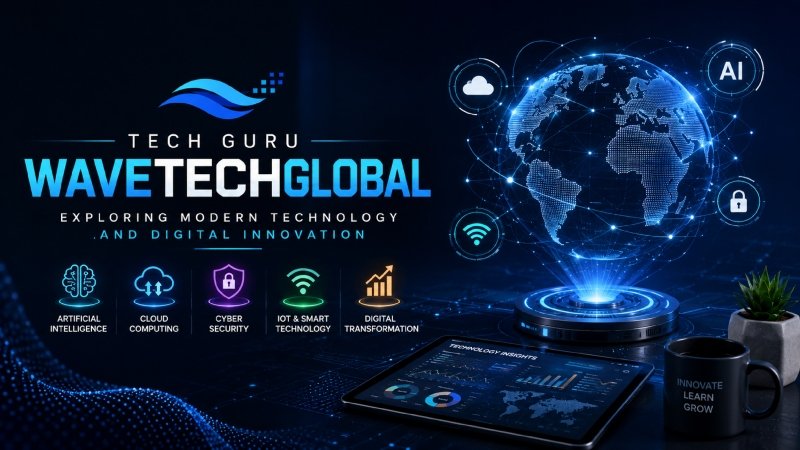
Technology moves fast, and staying current takes real effort. Tech Guru Wavetechglobal has become a name people connect with modern technology discussions, covering everything from artificial intelligence to cybersecurity. Anyone curious about digital innovation, smart devices, or emerging technology trends will find plenty to explore under this topic. This article walks through the core technology areas shaping today’s digital world. It explains each one in simple, practical terms.
What Makes Tech Guru Wavetechglobal Relevant to Modern Technology?
Tech Guru Wavetechglobal connects to some of the most talked-about areas in technology today. These include artificial intelligence, cloud computing, cybersecurity, and the growing world of connected smart devices. Digital transformation keeps reshaping how businesses and individuals operate. Topics like these matter more every year because of that shift.
Technology guidance in this space usually focuses on making complex ideas easier to understand. Good technology content skips the heavy jargon. Instead, it breaks down how tools like AI and cloud platforms actually work in everyday life. That approach helps readers make smarter decisions. It works whether someone runs a business, works in IT, or just wants to understand the devices they use daily.
Interest in Tech Guru Wavetechglobal reflects a broader trend. People want reliable, easy-to-follow information about fast-moving technology topics. They want it delivered in a way that respects their time, without unnecessary complexity.
This kind of technology-focused content typically covers a wide range of subjects. Digital transformation sits at the center of many discussions. It describes the process businesses use to adopt new technology and improve how they operate. The practical side of emerging technology matters just as much. That might mean how a small business uses automation, or how a household sets up its first smart devices. Covering these topics well means balancing technical accuracy with everyday usefulness. Readers should walk away with something they can actually apply.
Artificial Intelligence and Machine Learning
Artificial intelligence, or AI, refers to computer systems built to handle tasks that normally require human thinking. Recognizing images, understanding language, and making predictions all fall under this umbrella. AI has moved from research labs into everyday tools most people already use.
Machine learning is a specific type of AI. Rather than following fixed instructions, a machine learning system studies patterns in data. It improves its performance over time through practice. A spam filter offers a simple example. It learns to catch unwanted emails by studying thousands of past examples. It doesn’t rely on one hardcoded rule to do this.
Businesses use AI and machine learning in many practical ways. Customer service chatbots answer common questions instantly. Recommendation systems suggest products based on shopping habits. Fraud detection systems flag suspicious transactions before they cause harm. These tools don’t replace human judgment. They handle repetitive tasks quickly instead, which frees up people for more complex work.
AI adoption varies quite a bit by industry too. Healthcare providers use machine learning to help spot patterns in medical scans. This supports doctors rather than replacing them. Retailers use AI to predict which products will sell well in a given season. That helps avoid both shortages and excess inventory. Finance teams use it to catch unusual transactions that might signal fraud. In each case, the technology works best as a support tool. It handles data-heavy pattern recognition while people make the final judgment calls.
IoT and Smart Technology
The Internet of Things, often shortened to IoT, describes everyday physical objects connected to the internet. Think of a smart thermostat that learns your schedule. Or a fitness tracker that monitors your heart rate. Or a doorbell camera that sends alerts to your phone. All of these count as IoT devices.
Smart technology like this works by collecting data and sharing it over a network. Take a smart thermostat as an example. It tracks the temperature you prefer at different times of day. Over time, it adjusts automatically. This saves energy without any manual input from you.
Homes aren’t the only place IoT shows up. Factories use connected sensors to monitor equipment. This helps them catch problems before a machine breaks down. Farms use IoT sensors to track soil moisture. This lets them irrigate crops more efficiently. Hospitals use connected devices to monitor patients remotely too. As more devices connect to the internet, the potential uses for this technology keep expanding.
Smart home systems have also become more accessible in recent years. Voice-controlled lights, smart locks, and connected security cameras now come at friendly price points. This kind of convenience is available to more people than ever before.
Wearable technology has followed a similar path. Smartwatches and fitness bands now track sleep quality, heart rhythm, and activity levels. These devices give everyday users health insights that once required a doctor’s visit or specialized equipment. This trend toward accessible, connected devices shows no signs of slowing down.
Cybersecurity and Cloud Computing
As more devices and services move online, cybersecurity becomes more important every year. Cybersecurity refers to the practices and tools used to protect computers, networks, and data. Its job is stopping unauthorized access or attacks.
Common threats take several forms. Phishing emails trick people into sharing passwords. Malware damages or steals data. Ransomware locks users out of their own files until they pay a fee. Strong cybersecurity combines several layers of protection to fight back. Secure passwords matter. Regular software updates matter too. Employee training and monitoring tools that catch unusual activity early round out a solid defense.
Cloud computing plays a major role in this picture as well. Instead of storing data on a single physical computer, cloud computing stores information on remote servers. People access these servers through the internet. This setup makes it easier to access files from anywhere. It also helps a business scale up storage as it grows and recover data quickly after a problem.
Choosing the right cloud provider matters just as much as adopting the technology itself. Businesses should look for providers with strong security practices. Clear policies about who protects which parts of the data matter too. Getting this balance right helps companies enjoy the benefits of cloud computing without unnecessary risk.
Individual users benefit from good cybersecurity habits too. Using a password manager helps a lot. Turning on two-factor authentication and keeping software updated go a long way toward preventing common attacks. None of these steps require deep technical knowledge. Together, they build a strong first line of defense.
Emerging Technology Trends
Beyond AI, IoT, and cloud computing, several other emerging technology trends continue to shape the digital landscape. Automation tools now handle repetitive business tasks, from scheduling to data entry. This frees up employees for higher-value work. Robotics has moved beyond factory floors too, into areas like warehouse logistics and even hospitality.
Augmented reality overlays digital information onto the real world. Retail already uses this technology, letting shoppers preview furniture in their homes before buying. Quantum computing remains in its early stages. It promises to solve certain complex problems far faster than today’s computers, though widespread everyday use remains further down the road.
Smart systems that combine AI with IoT are also becoming more common. Consider a smart city traffic system. It can adjust signal timing in real time based on live traffic data. This reduces congestion without requiring a human to manually manage every intersection. This kind of integration shows where digital innovation is headed. Expect fewer isolated tools, and more connected systems working together.
Edge computing represents another trend worth watching. Instead of sending every piece of data to a distant server for processing, edge computing handles some of that work closer to the source, like on the device itself. This reduces delays and can improve performance for time-sensitive applications, such as self-driving vehicle sensors or real-time factory monitoring systems.
Why Staying Updated With Technology Matters
Staying current with technology trends offers real, practical benefits for businesses, professionals, and everyday users alike.
Benefits for Businesses
Adopting the right tools at the right time can mean the difference between staying competitive and falling behind. A company that automates repetitive tasks can serve more customers without expanding its staff. A business that adopts strong cybersecurity practices avoids costly data breaches down the road.
Benefits for Professionals and Job Seekers
Understanding emerging technology helps with career growth. Skills related to AI, cloud computing, and cybersecurity remain in high demand across nearly every industry. Even professionals outside the tech field benefit from a working knowledge of these areas, since digital tools now touch almost every job in some way.
Students and job seekers also gain an edge by staying current with technology trends. Many entry-level roles now expect at least a basic comfort level with digital tools, cloud-based software, or data analysis. Building familiarity with these areas early, even through free online resources, can make a real difference when it comes time to apply for jobs or take on new responsibilities at work.
Benefits for Everyday Users
Staying informed supports smarter, safer choices in daily life. Understanding basic cybersecurity habits protects personal information. Knowing how smart devices collect and use data helps people set them up thoughtfully. A little technology knowledge goes a long way toward avoiding common pitfalls, from weak passwords to oversharing personal data with connected apps.
This is exactly the kind of practical, accessible technology guidance that resources like Tech Guru Wavetechglobal aim to provide. It helps readers make sense of a fast-changing digital world without getting lost in technical jargon.
Small businesses in particular stand to gain from this kind of awareness. A local retailer that adopts a simple inventory automation tool can save hours each week. A freelance consultant who understands basic cloud backup practices avoids losing client work to a hardware failure. These are not massive digital transformation projects. They’re small, practical steps that add up over time.
Conclusion
Modern technology touches nearly every part of daily life. It shapes the AI tools businesses rely on and the smart devices found in homes around the world. Understanding artificial intelligence, machine learning, IoT, cybersecurity, and cloud computing gives readers a solid foundation. That foundation helps with navigating today’s fast-moving digital landscape. Tech Guru Wavetechglobal fits into this broader conversation about technology trends and digital innovation. It offers a starting point for anyone looking to better understand the tools shaping today’s world. As emerging technology continues to evolve, staying informed remains one of the most valuable habits any professional or everyday user can build.
Looking for more details.